A Legacy of Faith & Resilience
[cite_start]From a 19th-century livery stable to the beating heart of West Baltimore’s Muslim community, Masjid Ul Haqq stands as a testament to endurance, transformation, and the power of faith[cite: 1, 10, 75].
The Foundation
[cite_start]The structure at 514 Wilson Street is constructed as the Keystone Livery Stable, serving the city’s transportation needs for over four decades[cite: 75, 76].
A Sanctuary Established
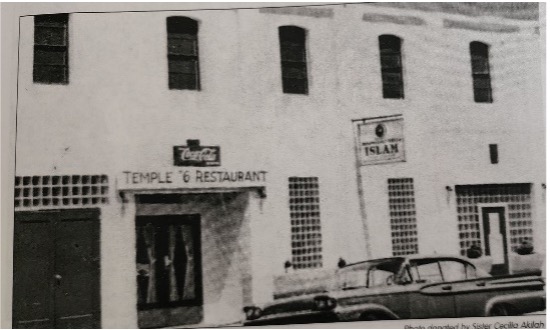
The building is converted into a place of worship, opening its doors as Muhammad’s Temple #6. [cite_start]It becomes a pivotal center for the growing Nation of Islam movement in Baltimore[cite: 12, 52, 77].
The Transformation
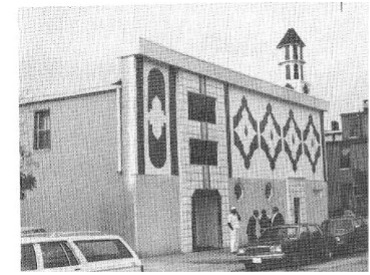
Following the leadership of Imam Warith Deen Mohammed, the community transitions to Orthodox Sunni Islam. [cite_start]The masjid aligns its practices with the global Muslim ummah, emphasizing the Quran and Sunnah[cite: 12, 59, 60].
Honoring the Legacy
[cite_start]Recognizing the community’s profound impact on the neighborhood, Mayor Kurt L. Schmoke officially proclaims “Islamic Community Day” and renames the street to Islamic Way[cite: 71].
The Beating Heart
[cite_start]Masjid Ul Haqq stands as the oldest continually used Islamic place of worship in Baltimore City, serving as a beacon of education, social service, and spiritual growth for West Baltimore[cite: 10, 13].
Through the Years